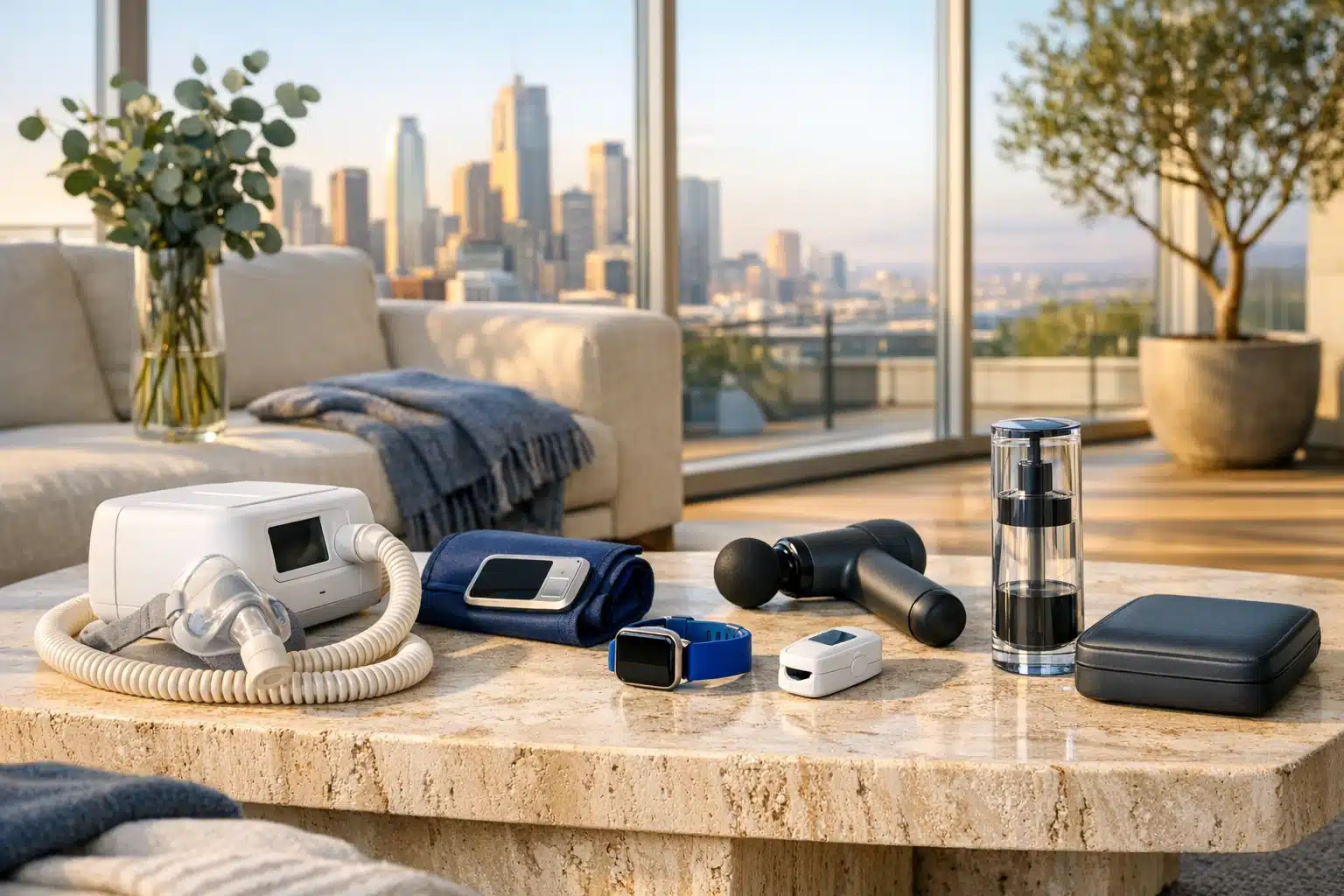
Male Wellness Devices Recommended by Doctors: What Men Should Know
Men are surrounded by gadgets that promise better performance, better sleep, and better confidence, yet the most helpful devices are usually the ones tied to a clear medical purpose. This guide looks at tools doctors commonly discuss, from vacuum erection devices to CPAP machines, pelvic floor trainers, and health wearables. You will learn what each device is for, who may benefit, what the evidence suggests, and when a clinic visit matters more than another purchase. The goal is not hype but clarity, so you can separate practical support from glossy claims.
Outline: This article moves through five parts. First, it explains why doctor-guided device choices matter. Next, it covers tools used for erection, pelvic, and urinary health. Then it looks at sleep and cardiovascular devices, followed by wearables and recovery technology. It ends with a practical conclusion on safe buying, realistic expectations, and when men should seek professional care.
Why Doctor-Guided Device Choices Matter
The phrase doctor recommended sounds simple, but in real life it usually means something more precise: a clinician has matched a device to a symptom, a diagnosis, and a realistic goal. That distinction matters. A man with sleep apnea needs a very different tool than a man recovering from prostate surgery, and both need something different from a man who mainly wants better exercise feedback. Without that context, the market becomes noisy fast. One device promises performance, another promises recovery, a third promises to optimize everything from mood to metabolism. The result is often confusion dressed up as innovation.
Doctors tend to recommend devices for one of three reasons. First, a device may treat a diagnosed condition, such as a CPAP machine for obstructive sleep apnea or a vacuum erection device for certain forms of erectile dysfunction. Second, it may help monitor a risk factor, such as a validated home blood pressure cuff for hypertension. Third, it may support behavior change, such as a wearable that encourages walking, sleep consistency, or heart rate awareness. These are very different jobs. Treatment devices need stronger evidence and better follow-through. Monitoring devices need accuracy. Lifestyle devices need enough usefulness to keep a person engaged after the novelty wears off.
A good rule is to ask three questions before buying anything.
• What exact problem is this device supposed to address?
• What result would count as success after four to twelve weeks?
• Has a qualified clinician said this tool makes sense for my situation?
That framework sounds almost too practical, yet it prevents a lot of wasted money. Consider two common examples. A smartwatch may help an inactive man reach 8,000 steps a day and improve cardiovascular fitness over time, but it will not diagnose the cause of crushing fatigue. A home pulse oximeter may offer spot checks during illness, but it cannot replace a sleep study for suspected apnea. In the same way, a pelvic floor device may help some men with urinary leakage, but persistent pain, blood in the urine, or sudden sexual dysfunction deserves a medical evaluation rather than trial-and-error shopping.
There is also a safety angle. The wrong fit, the wrong pressure setting, or the wrong use pattern can turn a helpful product into a frustrating one. Even generally safe devices can have limits. Compression, suction, electrical stimulation, and data tracking all sound manageable until they are used without understanding the instructions or the medical context. Think of male wellness devices less like magic shortcuts and more like tools in a workshop: useful in skilled hands, disappointing when chosen at random, and occasionally risky when used for the wrong job.
Devices for Erection, Pelvic, and Urinary Health
When men hear wellness devices, many immediately think of sexual health tools, and that is not entirely wrong. Urologists and pelvic health specialists do recommend certain devices, but usually in specific settings rather than as casual upgrades. One of the best known is the vacuum erection device, often called a VED. It uses a cylinder and pump to draw blood into the penis, and a tension ring can help maintain firmness for intercourse. Doctors may discuss it when oral erectile dysfunction medications are not suitable, when those medications do not work well enough, or during recovery after prostate treatment. It is drug free, reusable, and supported by decades of clinical use.
The strengths of a VED are practical. Many men appreciate that it can work even when nerve recovery is incomplete or medication is limited by side effects. Some rehabilitation programs after prostate surgery include it because maintaining tissue stretch and oxygenation may be beneficial. Yet it is not glamorous, and that is part of the honest conversation. Users may notice a cooler sensation, temporary bruising, or an awkward learning curve. The constriction ring should not stay on too long, and men with certain bleeding risks or those using anticoagulants should ask their clinician for individualized advice.
Another device category is penile traction therapy, most often discussed for Peyronie’s disease, a condition that can cause curvature, shortening, and discomfort. Traction devices apply gentle, sustained stretching over weeks or months. Some studies report modest improvements in curvature and, in selected cases, small gains in length, but adherence is the real battlefield. Wearing a traction device consistently is not effortless, and that reality often matters more than the brochure. For the right patient, however, traction can be part of a structured treatment plan instead of a desperate internet experiment.
Pelvic floor devices deserve attention too. Men can benefit from pelvic floor training, particularly after prostate surgery, with urinary leakage, chronic pelvic pain, or certain forms of dysfunctional voiding. Some tools use biofeedback to help a patient identify the right muscles rather than clenching everything in sight. That distinction is valuable because many people perform Kegel-type exercises incorrectly. A pelvic floor physical therapist can often improve outcomes by teaching technique, breathing patterns, and progression. The device is rarely the whole answer; guided use is usually where the real value appears.
A simple comparison helps:
• Vacuum erection devices are most useful when the goal is mechanical support for erections or part of rehabilitation.
• Traction devices fit better when the goal involves curvature management or tissue stretching over time.
• Pelvic floor biofeedback tools are strongest when the issue is coordination, leakage, or pelvic muscle dysfunction.
The common thread is that these are medical tools first and marketing products second. Men tend to do best when they treat them that way.
Sleep, Breathing, and Cardiovascular Devices That Often Matter More Than Men Expect
Some of the most important male wellness devices are not the flashy ones. They are the machines and monitors that protect energy, mood, blood pressure, and long-term health. A classic example is the CPAP or APAP device used for obstructive sleep apnea. Many men dismiss snoring as background noise or a running family joke, but untreated sleep apnea is associated with excessive daytime sleepiness, poorer concentration, elevated blood pressure, and greater cardiovascular strain. It can also overlap with issues men notice more quickly, such as low libido, morning fatigue, and reduced exercise drive. That makes sleep medicine far more relevant to everyday male wellness than many people realize.
CPAP works by keeping the airway open during sleep with continuous positive pressure. It is not elegant, but when properly fitted it can be transformative. Men who stick with treatment often report better alertness, fewer morning headaches, and improved quality of life. In adherent users, CPAP may also help lower blood pressure modestly, especially when apnea is significant. The catch is adherence. A machine only works if it is used. Mask fit, dryness, noise sensitivity, and habit disruption are common early hurdles. The first week can feel like sleeping next to a tiny leaf blower, but good coaching, heated humidification, and mask adjustments often make a major difference.
Another genuinely useful device is the home blood pressure monitor. Major medical guidelines support home blood pressure tracking because clinic readings alone can miss patterns such as masked hypertension or white-coat hypertension. An upper arm cuff from a validated brand is usually preferred over wrist devices, which can be more position sensitive. For men in their thirties, forties, and beyond, this can be one of the most valuable devices in the house, especially if there is a family history of hypertension, excess weight, sleep apnea, diabetes, or kidney disease.
Used properly, a home monitor gives trend data rather than a single dramatic number. That means taking readings after resting, using the right cuff size, and checking at consistent times. Helpful basics include:
• Sit quietly for five minutes before measuring.
• Keep feet flat and arm supported at heart level.
• Avoid caffeine, nicotine, and exercise right before a reading.
Pulse oximeters occupy a more limited role. They can be useful for spot checks during respiratory illness, altitude exposure, or clinician-guided monitoring, but they should not be treated as diagnostic oracles. They do not replace an evaluation for chest pain, serious shortness of breath, or suspected sleep apnea, and readings can be affected by poor circulation, motion, nail coatings, and other practical variables. In short, if a man wants one device that could quietly change his health trajectory, a home blood pressure monitor may be more important than almost any trendier purchase. If he snores heavily, wakes unrefreshed, or has witnessed breathing pauses, a sleep evaluation may matter even more.
Wearables, Recovery Tools, and Metabolic Tech: Useful Insight or Just More Numbers?
Wearables have become the pocket-sized narrators of modern life. They count steps, estimate sleep stages, flag high heart rates, and turn a walk around the block into a neat little chart. For many men, that is not trivial at all. A good fitness tracker or smartwatch can support habit change by making progress visible, and visible progress is often what keeps behavior going on the days when motivation is low. Step counts, exercise minutes, resting heart rate trends, and bedtime consistency can all be useful signals, especially for men trying to reverse sedentary routines, improve conditioning, or recover structure after burnout.
That said, wearables are not equal in what they measure well. Step counting and heart rate during steady activity are often reasonably good for consumer use. Sleep staging, calorie burn, and recovery scores are more approximate. Heart rhythm notifications may be helpful for some users, but they are not the same as a full cardiac workup. A smartwatch can nudge someone to notice a pattern; it cannot explain every pattern. Used wisely, it is a coach on your wrist. Used unwisely, it becomes a tiny anxiety machine that turns every imperfect night into a problem report.
Continuous glucose monitors, or CGMs, deserve special mention. For men with diabetes, especially those using insulin or needing tighter glucose insight, CGMs can be extremely valuable. They show trends, time in range, and how food, sleep, stress, and exercise interact. In some cases, clinicians also use them for selected patients with prediabetes or unusual glucose concerns. But CGMs are not automatically useful for every healthy man chasing optimization. Small glucose rises after meals are normal, and obsessing over every curve can create noise without improving health. In other words, a CGM is a strong medical tool when there is a clear reason to use it, and a questionable hobby when there is not.
Recovery devices sit in a different category. Percussion massage guns, TENS units, and compression boots may help some men with soreness, localized discomfort, or post-exercise comfort, but they are supportive tools rather than cures. TENS can be appropriate for some pain conditions under clinician guidance. Massage guns may feel great after lifting sessions, though evidence for major performance benefits is less impressive than marketing suggests. Compression tools can improve subjective recovery for some athletes, yet basics still matter most: sleep, progressive training, hydration, and adequate protein.
A practical ranking looks like this:
• Best for behavior change: a wearable that supports movement and sleep regularity.
• Best for clear medical need: a CGM prescribed or guided by a clinician.
• Best for comfort rather than diagnosis: recovery devices such as massage guns or TENS units.
If the data helps you make calmer, smarter choices, the device is doing its job. If it only adds guilt, confusion, or gadget clutter, it is probably time to step back.
Conclusion for Men: How to Choose Safely, Spend Wisely, and Know When to Get Help
For men trying to sort helpful technology from polished nonsense, the smartest move is surprisingly old school: start with the problem, not the product. If the issue is erectile dysfunction, urinary leakage, snoring, high blood pressure, poor recovery, or low activity, name it clearly and match the device to that need. Devices work best when they fit into a plan. That plan may include medical evaluation, a prescription, coaching from a therapist, or simple home habits such as regular walking and sleep discipline. Buying the tool before understanding the problem often leads to frustration, while buying after a proper assessment tends to produce far better results.
There are a few useful red flags to keep in mind. Be cautious with products that promise dramatic results in days, claim to fix several unrelated problems at once, or hide behind vague language such as clinically inspired without naming evidence or intended use. Also be skeptical of devices that seem to replace diagnosis altogether. A gadget cannot tell you why you have chest pain, sudden erectile dysfunction, blood in the urine, fainting, severe fatigue, or unexplained weight loss. Those symptoms deserve medical attention, not just better branding.
When comparing devices, ask practical questions:
• Is this treating a diagnosed condition, monitoring a risk factor, or just tracking lifestyle data?
• Has this type of device been recommended in real clinical practice for people like me?
• What are the downsides, maintenance needs, and realistic time commitments?
• How will I know whether it is helping after a month or two?
For many men, the best first purchases are not the most exciting ones. A validated blood pressure cuff, a properly fitted CPAP, or a clinician-guided pelvic floor tool may improve daily life more than any trend-driven wearable. For others, a smartwatch that gets them consistently moving may be the most effective gateway device of all. And for men dealing with sexual health concerns, targeted tools like vacuum erection devices or traction systems can be useful when chosen with a urologist rather than through late-night guesswork.
The bottom line is simple. Male wellness devices can be worthwhile, but they are most effective when they support diagnosis, treatment, or sustained healthy behavior instead of feeding wishful thinking. If you are deciding where to begin, let your symptoms, your health history, and a trusted clinician guide the choice. That approach may feel less dramatic than marketing, but it is usually the path that actually helps.