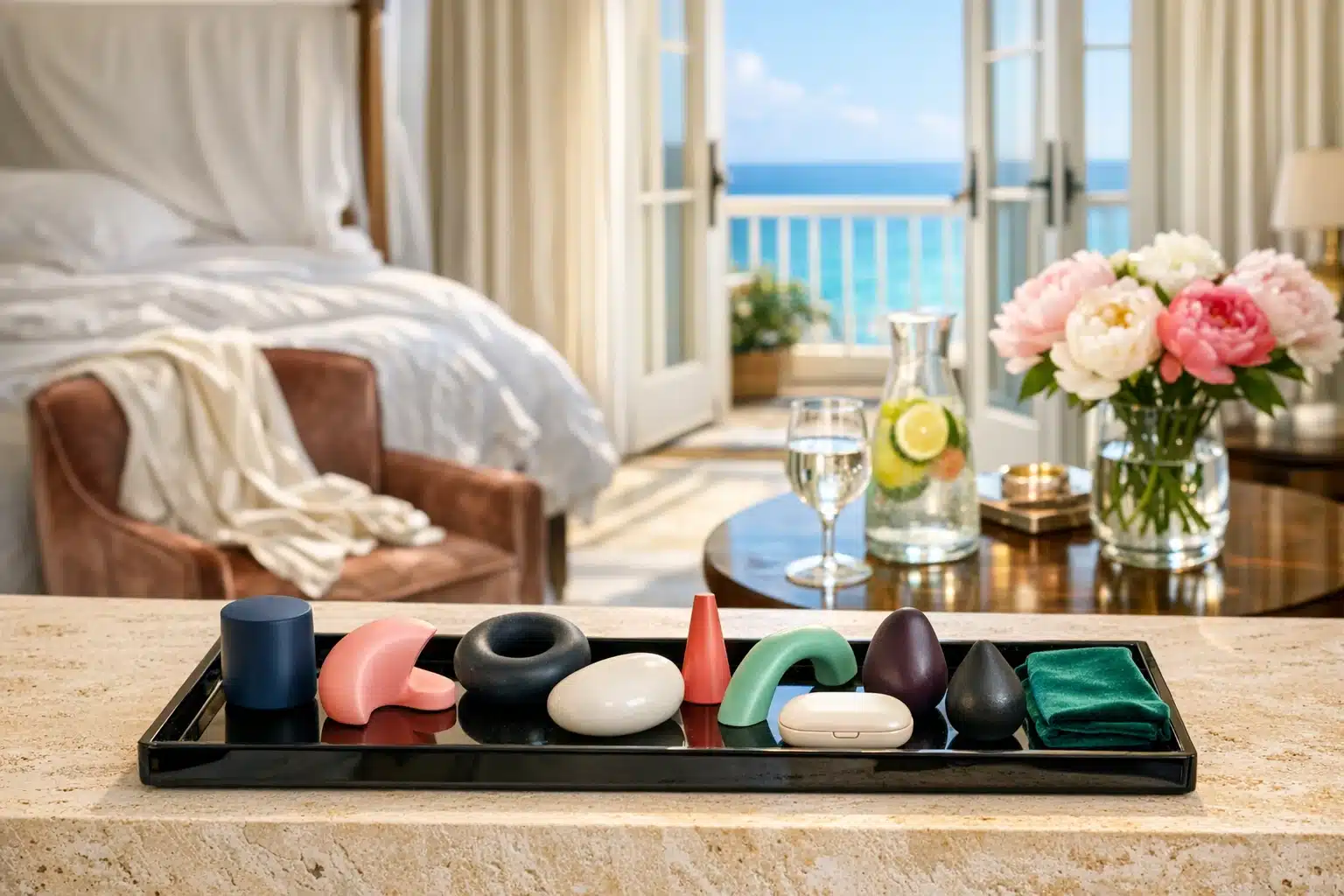
A Guide to the Top 10 Intimate Gadgets for Couples
Outline and Why Intimate Gadgets Matter for Couples
Couples often discover that the right gadget does not replace chemistry; it gives curiosity a clearer channel. A well-made device can add comfort, variety, easier communication, and a shared sense of play, especially when routines start to feel predictable. This guide looks at ten popular gadget types, explains what each one does especially well, and helps you separate useful features from marketing sparkle before you spend money.
Intimate gadgets matter because they can make partnered experiences more adaptable to real life. Bodies respond differently to pressure, rhythm, shape, and speed, so a device that offers adjustable settings can help two people find common ground faster than guesswork alone. For some couples, the appeal is novelty. For others, it is accessibility: stronger vibration, hands-free design, or remote control can reduce effort, support changing energy levels, and make experimentation feel less awkward. In a category full of bold claims, the most useful products are usually the ones built around comfort, body-safe materials, and practical controls rather than flashy packaging.
This article follows a simple five-part structure so the guide feels easy to browse rather than like a technical manual dropped onto your nightstand.
- Part one sets the framework and explains what makes a couples gadget worth buying.
- Part two covers three approachable options for beginners and mixed-preference pairs.
- Part three looks at remote-friendly and app-enabled devices that add flexibility.
- Part four explores specialized gadgets, including long-distance tools and care-focused tech.
- Part five gives buying advice on safety, cleaning, storage, and budget.
To compare devices fairly, it helps to use a few grounded criteria. Material is the first checkpoint: body-safe silicone is widely preferred because it is nonporous, soft, and easier to clean than lower-cost rubbery blends. Noise also matters more than advertisements admit. A compact toy under roughly 50 decibels usually feels more discreet than a full-size power device, although stronger motors often produce more sound. Battery life is another practical divider. Rechargeable models often run anywhere from about 45 minutes to two hours depending on intensity, while replaceable batteries may be convenient for travel but create more waste over time. Finally, control style changes the whole experience. Simple button layouts suit beginners, while app-connected devices appeal to couples who want customization, pattern libraries, or distance play. Think of this guide as a map: not every road leads to the same destination, but the better the map, the more enjoyable the trip.
Top Picks 1 to 3: Easy Entry Devices for Shared Exploration
When couples first start exploring intimate gadgets together, it usually helps to begin with devices that are easy to understand, quick to use, and flexible enough to suit different moods. The first three picks on this list are often the most approachable because they do not demand a steep learning curve. They also cover three very different styles of stimulation, which is useful if you are still figuring out what kind of sensation works best as a pair.
1. The compact bullet vibrator is the smallest item on many shopping lists, but its appeal is not just size. A good bullet offers targeted vibration, simple controls, and portability that larger devices cannot match. Many entry-level models are inexpensive, often falling into the lower end of the market, which makes them a common first purchase for couples who want to experiment without a huge commitment. The trade-off is power and battery life. Tiny motors can be effective, yet they usually cannot match the depth of rumble found in larger devices. Still, for couples who value precision, low intimidation, and easy storage, the bullet remains a smart first step.
2. The wand massager sits at the opposite end of the spectrum. It is larger, stronger, and built for broad external stimulation. Compared with a bullet, a wand usually delivers deeper vibration and covers more surface area, which many users find more versatile during partner play. It can double as a body massager, making it one of the few products in this category that genuinely crosses over into non-intimate wellness. The downside is obvious: it is bulkier, often noisier, and not ideal if you want subtlety. Yet for couples who prioritize strong performance over compact design, the wand is often the device that earns a permanent place in the drawer.
3. The wearable couples vibrator is designed with shared use in mind. These devices are typically curved, hands-free, and intended to stay in place during partnered activity. Their main strength is that they try to stimulate both partners at once, which sounds elegant in theory and can feel very rewarding in practice. The caution is fit. These toys are more anatomy-dependent than bullets or wands, so one person may love the shape while another finds it awkward. If you are considering this category, flexible silicone and multiple intensity settings matter more than raw power.
- Choose a bullet if you want simplicity and precision.
- Choose a wand if power and broad external use matter most.
- Choose a wearable couples vibrator if hands-free shared design is your main goal.
For many couples, the real winner is not the one with the flashiest feature list. It is the one that feels intuitive enough to use without stopping the mood every two minutes to find the right button.
Top Picks 4 to 6: Remote Control, App Features, and Responsive Sensation
Once couples move past the beginner stage, convenience and customization often become more important than novelty alone. That is where the next three gadgets stand out. These options focus on shared control, varied sensation patterns, and more adaptable use cases, especially for partners who enjoy experimentation or occasionally spend time apart. In this tier, technology starts to matter more. Button layout, wireless reliability, charging method, and app quality can all shape the experience just as much as the motor itself.
4. The vibrating ring is a long-running favorite because it is straightforward, partner-oriented, and relatively easy to introduce into an existing routine. Many modern versions are rechargeable and made from stretchable silicone, with some offering dual-motor layouts or textured surfaces. Compared with a bullet or wand, a vibrating ring is less versatile on its own, but during partner play it can create a shared focus with minimal setup. Its limits are equally clear: fit can vary, stronger models may have shorter run times, and very cheap versions often underperform. Look for a soft, flexible design and enough power settings to make the device more than a one-speed novelty.
5. The app-controlled massager, often shaped like a bullet, egg, or compact wearable, is one of the most flexible gadgets in the current market. Bluetooth control usually works well within the same room, while internet-linked apps can support long-distance play. This category is less about raw intensity and more about interaction. Custom patterns, partner control, and saved settings turn the device into part toy, part communication tool. The catch is that app quality varies widely. A beautifully made device can become frustrating if the connection drops or the interface feels clumsy. If you are considering this type, read real user reviews about connectivity rather than relying on promotional screenshots.
6. The air-pulse stimulator offers a very different kind of sensation from traditional vibration. Instead of relying only on a motor pressing against the skin, these devices use gentle pulses of air pressure around a focused area. Many users describe the feeling as more precise and less numbing than strong vibration, which can make it appealing for couples who want contrast in sensation. Compared with a wand, it usually provides less broad coverage but more targeted intensity. It can also be surprisingly quiet, though premium models tend to cost more.
- Vibrating rings are accessible and partner-friendly, but not highly versatile.
- App-controlled devices are excellent for customization, but software quality is crucial.
- Air-pulse stimulators offer a distinct sensation profile and often feel more refined than they look.
If the first group of gadgets is about learning the language of shared play, this group is about adding punctuation marks. A pause, a pattern change, a handoff of control across the room or across the map can shift the mood in ways that feel surprisingly personal.
Top Picks 7 to 10: Specialized Devices, Long-Distance Options, and Care Technology
The final four picks are more specialized, which does not mean they are only for experienced users. It simply means they solve more specific needs. Some are shaped to target particular anatomy. Others are built for couples navigating distance, storage concerns, or a desire for more tailored sensation. This part of the market tends to reward careful shopping, because the differences between a good product and a disappointing one are often found in fit, ergonomics, and software stability rather than in marketing promises.
7. The curved internal vibrator, often marketed for G-spot stimulation, is designed to apply pressure at an angle that straighter models may miss. Compared with a bullet, it is less discreet and less universal, but it can be far more effective for users who prefer internal pressure paired with adjustable vibration. Some versions add rotation or tapping motions, though more moving parts can also mean more noise and a steeper learning curve. Couples who want versatility often look for a model with a comfortable curve, moderate girth, and a handle that is easy for either partner to control.
8. The prostate massager is one of the most anatomy-specific devices on this list, yet it has become much more mainstream in recent years thanks to improved design. Modern versions often include a curved shape, a base for stability, and vibration settings that can be as gentle or as assertive as desired. Compared with a general external massager, the prostate-focused design is more targeted and less flexible, but that precision is exactly why many couples value it. For beginners, shape matters more than power. A slim profile and smooth silicone usually beat an oversized model that looks impressive in photos but feels impractical in use.
9. The interactive long-distance pair set is designed for couples who want linked play across different locations. These systems usually include two compatible devices that respond to each other through an app, creating a sense of connection that standard remote toys do not always match. The concept is clever and often genuinely meaningful for partners who travel or live apart. Still, the quality gap is large. Good systems offer reliable syncing, clear privacy policies, and intuitive setup. Weak ones feel like tech demos that escaped into the marketplace too early. When evaluating this category, privacy and app support deserve as much attention as material and motor strength.
10. The UV sanitizing and charging case is the least glamorous item here, but it may be the most underrated. It stores a device, recharges some models, and adds a hygiene-focused layer between uses. It is important to keep expectations realistic: UV sanitation does not replace proper washing with mild soap and water when the manufacturer recommends it. What it can do is reduce hassle, support better habits, and make storage neater for couples sharing limited space. In practical terms, that convenience often means a device gets used more and maintained better.
- Choose a curved internal vibrator for angled pressure and targeted internal use.
- Choose a prostate massager when anatomy-specific design is the priority.
- Choose an interactive pair set if distance is a regular part of your relationship.
- Choose a sanitizing case if care, storage, and routine maintenance often get neglected.
By the time couples reach these categories, the question is rarely “What is popular?” It becomes “What actually fits our habits, our comfort level, and the kind of connection we want to build?” That is a much better question, and it usually leads to better purchases.
How to Choose Smartly, Use Safely, and Find the Best Fit for Your Relationship
With ten gadget types on the table, the smartest next move is not buying the most advanced one. It is narrowing the list based on how you and your partner actually like to explore. Start with comfort and communication. A product can have premium materials, whisper-quiet marketing, and a stylish charging dock, yet still be the wrong choice if its design does not match your preferences. Talk about three practical points before buying: what kind of sensation you enjoy, how much complexity you want, and whether discretion matters. That short conversation prevents a lot of disappointing impulse buys.
Material should be your first technical filter. Body-safe silicone remains the gold standard for many shoppers because it is nonporous, soft, and easier to sanitize than porous alternatives. Waterproofing is worth attention too. A device labeled IPX7, for example, is typically built to withstand temporary immersion in water, which usually makes cleaning easier and broadens where it can be used. Charging style matters more than it seems on the product page. Magnetic chargers are convenient but can detach easily in a crowded drawer, while pin chargers may feel more secure. Battery life should be judged honestly. A very powerful device with only 40 minutes of high-intensity run time may still be ideal for one couple and annoying for another.
Budget is where perspective helps. In broad terms, entry-level gadgets can start around the price of a casual dinner, while premium app-connected devices often sit firmly above the hundred-dollar mark. Higher price does not always equal better experience. Often, the cost increase comes from stronger motors, quieter engineering, app development, or more durable silicone. Spending more makes sense when those features solve a real need, not when they simply sound impressive.
- For first-time buyers, prioritize comfort, easy controls, and flexible use.
- For tech-focused couples, prioritize app stability, privacy, and battery life.
- For shared storage, prioritize waterproofing, simple cleaning, and a dedicated case.
- For travel, prioritize compact size, travel lock features, and USB charging.
Cleaning and storage deserve one final reminder because they directly affect longevity. Follow the manufacturer instructions, use compatible lubricant if recommended, and avoid mixing silicone toys with silicone-heavy products unless the brand specifically confirms compatibility. Dry devices fully before storing them, and keep them separated if the materials are delicate. A little care goes a long way here.
Conclusion for couples shopping together: the best intimate gadget is rarely the one with the loudest advertising or the most futuristic silhouette. It is the one that fits your comfort level, supports honest conversation, and feels easy enough to reach for again. If you are just beginning, start with a bullet, wand, or ring. If you want more control or distance-friendly features, move toward app-connected devices or interactive pairs. And if you already know what kind of sensation suits you, specialized tools can be well worth the upgrade. The spark, in the end, is not manufactured inside the gadget. It grows from the trust, playfulness, and attention you bring to using it together.