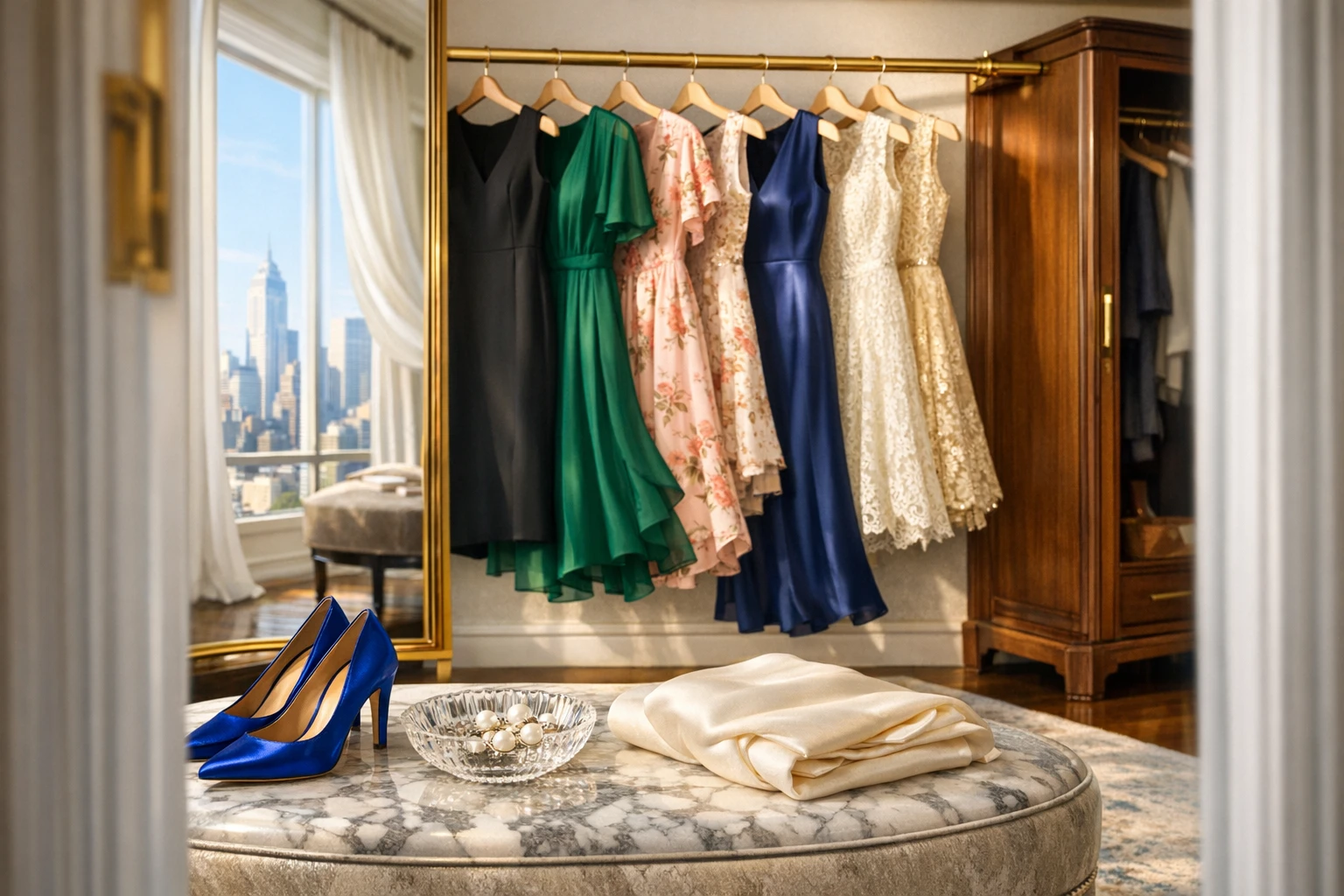
A Guide to Macy’s Designer Dresses Clearance Sale
Macy’s designer dresses clearance sale matters because it gives everyday shoppers access to labels, fabrics, and occasionwear that might otherwise sit outside a sensible budget. Whether you are preparing for a wedding, updating workwear, or hunting for a polished vacation look, a clearance event can turn browsing into a practical purchase. Understanding how these sales work helps you spot real value, compare fit and quality, and avoid the kind of rushed buy that ends up forgotten in the closet.
Outline
This article explores how Macy’s designer dresses clearance sale typically works, what kinds of dresses often appear in the markdown mix, how to shop with more precision, and how to decide whether a discounted piece is genuinely worth bringing home.
- How clearance pricing and inventory usually function
- Which dress categories and designer tiers are commonly available
- Practical ways to shop online and in store with fewer mistakes
- How to measure value through quality, versatility, and cost per wear
- Final guidance for shoppers trying to balance style and budget
How Macy’s Designer Dresses Clearance Sale Typically Works
A department store clearance sale is rarely a single dramatic moment; it is usually a rolling process shaped by seasonality, inventory levels, brand agreements, and customer demand. In the case of Macy’s designer dresses clearance sale, shoppers often see formal gowns, cocktail dresses, office-ready silhouettes, and casual daytime styles move into markdown territory when a season changes, a holiday selling window closes, or a newer assortment needs floor and website space. Spring florals may fall in price after the peak wedding and graduation rush, while velvet, sequins, and deeper jewel tones may soften after the winter party cycle. That rhythm matters because the timing influences both selection and discount depth.
Clearance pricing can also look more complicated than it first appears. A dress may show an original price, a sale price, and then a clearance reduction, while some promotions exclude certain brands or categories. That does not automatically make a deal bad, but it does mean shoppers should read each listing carefully. In many department store environments, the most attractive markdown is not always on the most versatile item. Sometimes a bold print, an unusual hemline, or a less common size receives a deeper cut because fewer people chose it at full price. In other cases, a classic black sheath or a simple formal gown sells steadily and never drops very low because demand remains strong.
Another important piece of the puzzle is the difference between online and in-store availability. Online assortments can be wider, especially for sizes and color options, but store racks may reveal one-off finds, returns, or items with additional local markdowns. Availability changes quickly, which is why patience and decisiveness have to travel together. The shopper who waits too long may lose the dress; the shopper who clicks too fast may ignore fabric, fit, or return terms.
- Look for clear product details, including material composition and care instructions.
- Check whether the item is final sale or still eligible for return.
- Compare the markdown to how useful the dress will be in your real life.
- Notice whether limited stock is tied to an unpopular size or simply fast-moving demand.
Think of clearance like a busy train station rather than a quiet boutique. Pieces arrive, disappear, and sometimes circle back through returns. The shoppers who do best are not necessarily the fastest; they are the ones who understand the system well enough to recognize a worthwhile stop when it appears.
What Kinds of Designer Dresses You May Find and How to Compare Them
One of the most useful things about Macy’s designer dresses clearance sale is its range. A shopper may encounter everything from sleek work dresses and understated daywear to embellished occasion pieces meant for weddings, galas, and holiday parties. That breadth is exciting, but it can also blur the line between a good discount and a genuinely smart purchase. The right comparison is not always dress versus dress. Sometimes it is event dress versus future usefulness, or trend piece versus wardrobe staple.
Designer dresses at Macy’s often span multiple market levels. Some labels sit in the contemporary space, where the styling is trend-aware and the price is more approachable. Others lean toward premium occasionwear with finer fabrics, more structured tailoring, or more elaborate detailing. A dress with beading, pleating, or a special neckline may look stunning online, but the smarter buy might be a well-cut crepe sheath that works for dinners, office events, and semi-formal occasions with a change of shoes and jewelry. In practical terms, versatility can be just as valuable as a dramatic markdown.
Fabric is one of the clearest ways to compare pieces. Polyester blends can hold color well and resist wrinkles, making them easy to wear and travel with. Cotton blends may feel more breathable for daytime events. Crepe often creates a clean line, chiffon offers movement, satin catches light beautifully, and lace can bring texture and romance. None of these fabrics is automatically superior in every situation; each works best when matched to purpose. A satin slip-style dress may look elegant but show every fit issue, while a structured knit dress can be more forgiving and easier to wear for long hours.
It also helps to sort clearance dresses by use case rather than by emotion alone:
- Occasion dresses: Best for weddings, formal dinners, graduations, and celebrations.
- Work-ready dresses: Ideal for offices, conferences, and polished daytime meetings.
- Seasonal casual dresses: Useful for travel, brunch, outdoor events, and warm-weather wardrobes.
- Timeless neutral styles: Often easier to restyle across several years.
A red carpet fantasy can be fun, but most closets thrive on garments that earn repeat invitations. If you are comparing two clearance options, ask which one has the better balance of comfort, quality, and future use. The most stylish choice is not always the one with the loudest entrance. Sometimes it is the dress that quietly keeps showing up, looking right, and making the morning easier.
How to Shop More Strategically Online and In Store
The smartest way to approach Macy’s designer dresses clearance sale is with a little structure before excitement takes over. Clearance shopping rewards preparation because markdown inventory is inconsistent, sizes break quickly, and the most tempting dress photo may hide a fussy fit. Start by deciding what role the dress needs to play. Are you shopping for one event, building a work wardrobe, replacing a reliable black dress, or looking for a seasonal statement piece? That answer changes everything from silhouette to budget.
For online browsing, filters are your best friend. Narrow by size, length, sleeve type, color family, occasion, and price range before scrolling too deeply. This saves time and reduces the common trap of admiring dresses that are either unavailable or unsuitable. Product reviews can be helpful, especially when they mention whether a dress runs large, small, short in the torso, or tight in the bust. Reviews are not perfect, but several comments pointing in the same direction can be more informative than a polished product photo. Pay attention to garment measurements if they are listed, and compare them with your own body measurements rather than assuming your usual size will always translate across brands.
In store, the strategy shifts slightly. You can inspect seams, lining, zippers, embellishments, and fabric hand in real time. That matters because clearance pieces sometimes reveal their strengths and weaknesses more honestly on the rack than on a screen. If fitting rooms are available, try on more than one size when possible. A small alteration can make a good dress great, but the math should still work. A heavily discounted piece is less appealing if tailoring costs erase the savings.
- Measure your bust, waist, hips, and preferred dress length before shopping.
- Set a maximum spend that includes possible alterations.
- Read return rules carefully, especially on deep markdown items.
- Check fabric care needs if you want low-maintenance clothing.
- Think about shoes, undergarments, and outer layers before you buy.
There is also a practical habit many experienced shoppers rely on: pause for ten minutes before checkout. In that short gap, ask a few plain questions. Can you name at least two places you would wear it? Does the color flatter your skin tone? Will it sit comfortably for a meal, a ceremony, or a workday? Can you imagine cleaning and storing it without annoyance? A dress should earn its place. Clearance shopping feels a bit like treasure hunting, but even treasure needs a home, a purpose, and a reason to stay.
How to Judge Whether a Clearance Dress Is Really Worth the Money
A lower price is appealing, but value is not the same thing as cheapness. The most useful question at Macy’s designer dresses clearance sale is not “How much did this drop?” but “What do I get for what I spend?” That shift in thinking can save shoppers from closets filled with bargains that never become favorites. Good value combines fit, fabric, frequency of wear, and the confidence a dress gives you once it is actually on your body and in your routine.
One practical tool is cost per wear. Imagine a clearance dress priced at 80 dollars. If you wear it once to a formal dinner and never again, its cost per wear is 80 dollars. If another dress costs 120 dollars on clearance but works for office parties, weddings, theater nights, and vacation dinners across several years, the second option may deliver better value. This is especially relevant with neutral shades, classic cuts, and dresses that can be restyled with different shoes, jackets, or jewelry. The headline discount may be smaller, yet the long-term return is often stronger.
Shoppers should also consider hidden costs. Delicate fabrics may require dry cleaning. Strapless or highly fitted dresses may need specialized undergarments. Extra-long gowns may need hemming. Beaded styles can be beautiful, but repairs are not always simple if embellishments loosen. A very trendy color or shape may feel thrilling for one season and tired by the next, while a clean navy, black, emerald, or soft floral design may hold appeal longer. None of this means trend-driven dresses are bad purchases. It simply means the buyer should understand the trade-off.
Here are a few signs that a clearance dress may offer strong value:
- The fit is good or easily alterable without major reconstruction.
- The fabric feels appropriate for the season and event you have in mind.
- The dress works with accessories you already own.
- The design is distinctive enough to feel special but not so extreme that it becomes hard to rewear.
- The care instructions match your lifestyle and patience level.
There is a quiet satisfaction in buying a dress that feels like a small financial victory and a sound style decision at the same time. The best clearance finds do not just save money in the moment. They reduce future shopping stress, because the next invitation arrives and you already know exactly what to wear.
Conclusion: Who Benefits Most and How to Shop With Confidence
Macy’s designer dresses clearance sale is especially useful for shoppers who want more wardrobe quality without committing to full-price department store spending. That includes people building an event wardrobe on a budget, professionals looking for polished dresses that move easily from day to evening, parents shopping for graduation or celebration outfits, and anyone who prefers recognizable labels but still wants to spend carefully. The appeal is broad because the sale sits at the crossroads of style and practicality. You may come for the markdown, but the real reward is finding a dress that solves a need well.
The most successful shoppers tend to share a few habits. They know their measurements, understand their lifestyle, and resist buying a dramatic piece simply because the sticker looks impressive. They compare materials, imagine real occasions, and keep an eye on return terms before heading to checkout. They are also realistic about tailoring, cleaning, and comfort. A clearance dress should make life easier, not become a project that lingers in the back of the closet with the tags still on.
If you are new to this kind of shopping, start with a simple plan. Pick one category first, such as cocktail dresses, work dresses, or wedding guest options. Set a budget range, search by your size, and save a short list rather than chasing every markdown at once. If you already know what silhouettes suit you, use that knowledge as your compass. If you do not, try on several cuts and treat the process as research. Even the dresses you reject teach you something useful about neckline, waist placement, fabric drape, and hem length.
In the end, clearance shopping works best when you combine curiosity with discipline. Macy’s can offer real opportunities to buy designer dresses at more approachable prices, but the best purchase is not always the cheapest one on the page or the rack. It is the one that fits your body, matches your calendar, respects your budget, and feels like your style rather than someone else’s idea of it. For shoppers who want fashion that looks polished yet remains financially sensible, that is where the sale becomes genuinely worthwhile.