A Guide to Adult-Only Hotels and Resorts in the UK
Outline
This article moves through five practical stages: what adult-only means in the UK, which kinds of properties define the market, how to compare locations and amenities, what price patterns and house rules really tell you, and which travellers gain the most from this style of stay. Instead of leaning on glossy brochure language, it focuses on distinctions that matter when you book, so calm, comfort, and value are easier to judge before any deposit is paid.
For many travellers, the appeal is not spectacle but relief: quieter breakfast rooms, fewer interruptions, later dining slots, and a pace that suits conversation rather than childcare logistics. In the UK, where short breaks are often shaped by weather, rail times, and precious annual leave, that difference matters because a two-night stay can feel either restorative or crowded depending on the atmosphere. Properties that welcome adults only are most closely associated with couples, yet they also suit solo guests, close friends, and anyone who values calm design, spa time, or food-led hospitality. Understanding the labels, formats, and regional strengths makes it much easier to choose well.
What “Adult-Only” Usually Means in the UK, and Why It Matters
In the UK hotel market, “adult-only” sounds straightforward, but in practice it covers several different models. Some properties use the term to mean no under-16s, others no under-18s, and a smaller number build the whole guest experience around grown-up privacy, quiet spaces, and slower schedules. That difference matters. A country house hotel that simply excludes younger children may still feel traditional and low-key, while a spa retreat with age restrictions across rooms, pools, and dining areas often aims for a more immersive sense of calm. The label is therefore a useful filter, not a complete description.
One reason this format has gained visibility is the strength of UK short-break culture. According to VisitBritain and related domestic tourism reporting, overnight leisure travel within Britain accounts for a very large share of travel spending each year, running into tens of billions of pounds. That broad market has encouraged hotels to specialise. Some target families, some lean hard into dog-friendly hospitality, and some position themselves around quiet, wellness, romance, or celebratory escapes. Adult-only stays sit within that pattern: they are less about excluding people for the sake of it and more about delivering a specific atmosphere consistently.
For guests, the benefits are often practical rather than dramatic. A no-children policy can change the feel of a property in ways that become obvious only after check-in. Common differences include:
– quieter corridors in the early morning and evening
– later dinner service that feels more relaxed
– spa and pool areas without family sessions
– lounges and terraces designed for reading, conversation, or drinks rather than all-day activity
There is also an expectations gap worth noting. Adult-only does not automatically mean luxurious, secluded, or romantic. Some properties are modest inns with a few polished rooms and a strong restaurant. Others are larger resorts with treatment rooms, hydrotherapy areas, landscaped grounds, and several dining options. Some are contemporary, some deeply traditional, and some are stylish enough in photographs but thin on service once you arrive. Reading the policy alongside the room types, included facilities, and recent guest feedback is far more revealing than relying on the label alone.
A final point is social rather than commercial. Adult-only travel appeals to more than couples on anniversaries. Solo travellers may prefer the quieter energy. Groups of friends often choose these properties for spa weekends or milestone birthdays. Parents themselves sometimes book them precisely because they want two days without practical demands. The strongest adult-only hotels understand this wider audience. They do not assume one kind of guest. Instead, they shape the environment so peace feels available to everyone, whether the trip is romantic, restorative, or simply a well-timed pause.
The Main Types of Adult-Only Hotels and Resorts Across the UK
The phrase “adult-only resort” can be slightly misleading in a British context because the UK does not have the same large-scale resort culture associated with some Mediterranean or Caribbean destinations. Here, the term often stretches to cover country house hotels with spa facilities, coastal retreats with leisure access, boutique properties with destination restaurants, and larger estates that bundle accommodation with wellness, golf, or outdoor activities. In other words, many UK “resorts” are really hybrids: part hotel, part retreat, part experience-led base.
The most common categories break down quite neatly. Rural country house properties tend to offer space, landscaped grounds, and a sense of removal from daily life. These are the places where gravel crunches under the car, the lounge smells faintly of wood polish, and the day seems to widen before dinner. Their strengths are atmosphere, scenery, and slower pacing. Their weaknesses can include limited transport links and fewer off-site activities if the weather turns.
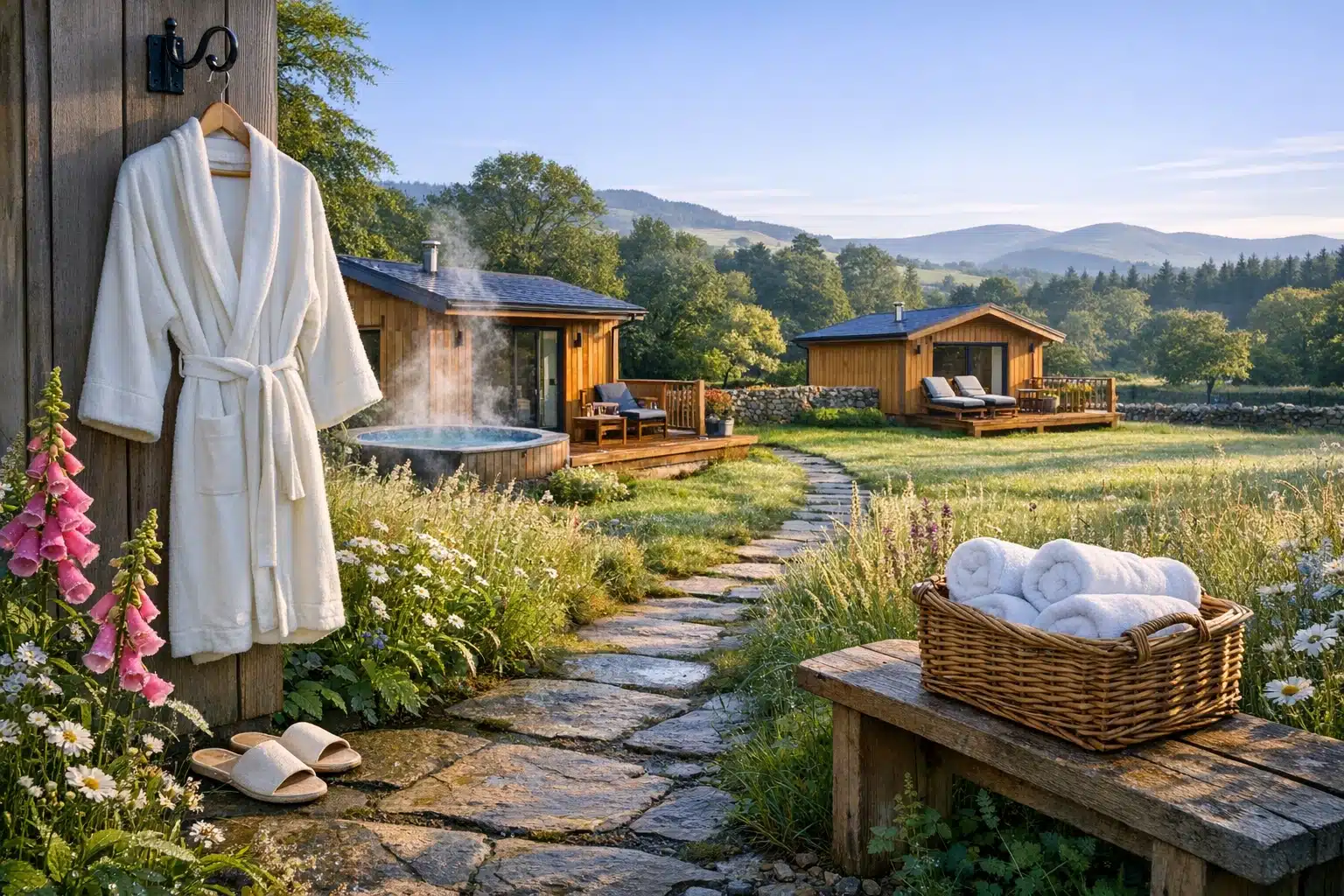
Spa-led hotels are a different proposition. Here, the room is only part of the product. Guests book for thermal suites, treatment menus, relaxation spaces, and easy access to robes, tea lounges, and late breakfast. These stays work well for people who want a contained weekend where very little planning is required. However, spa access may be timed, partially included, or charged separately, so value depends on the fine print more than the headline rate.
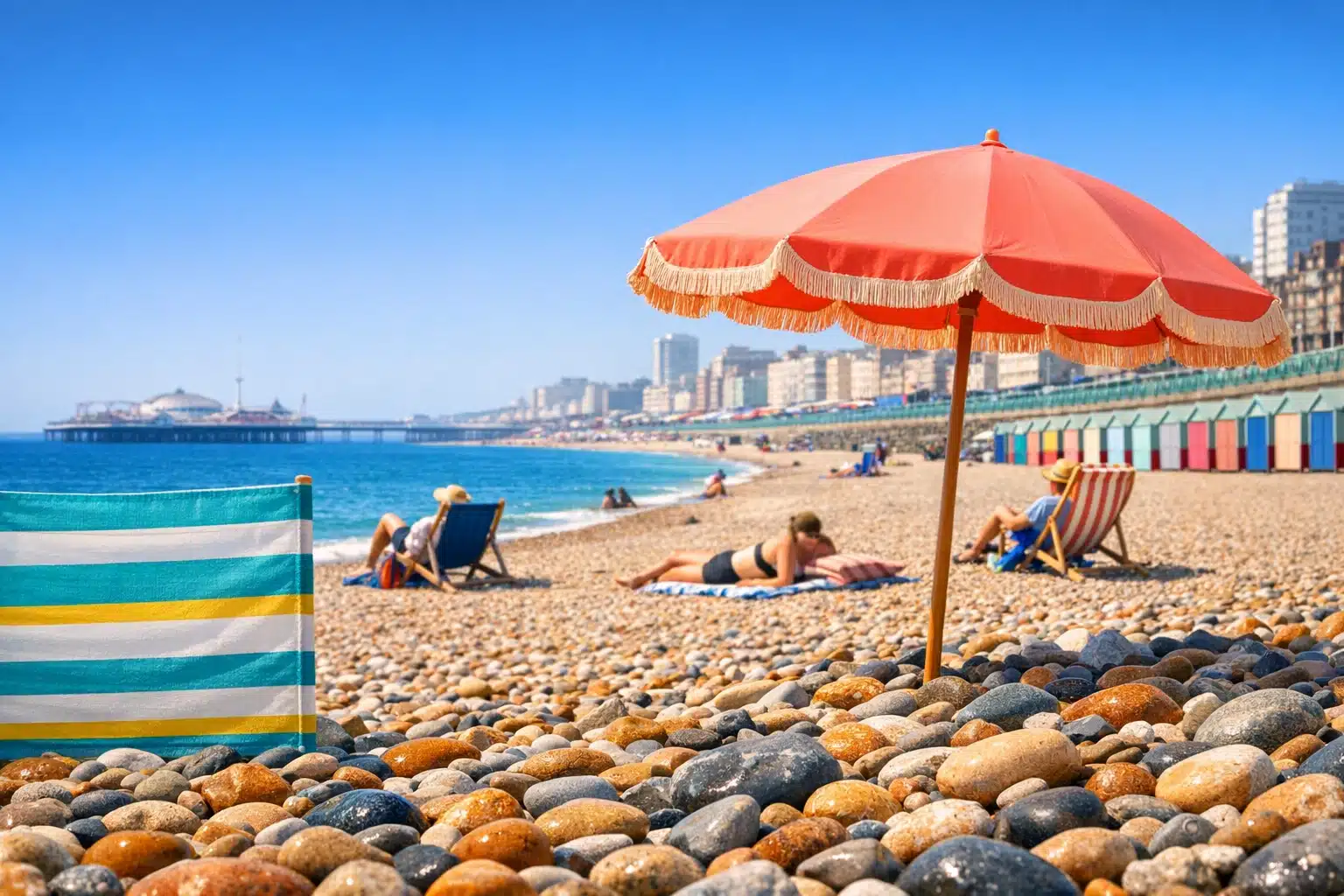
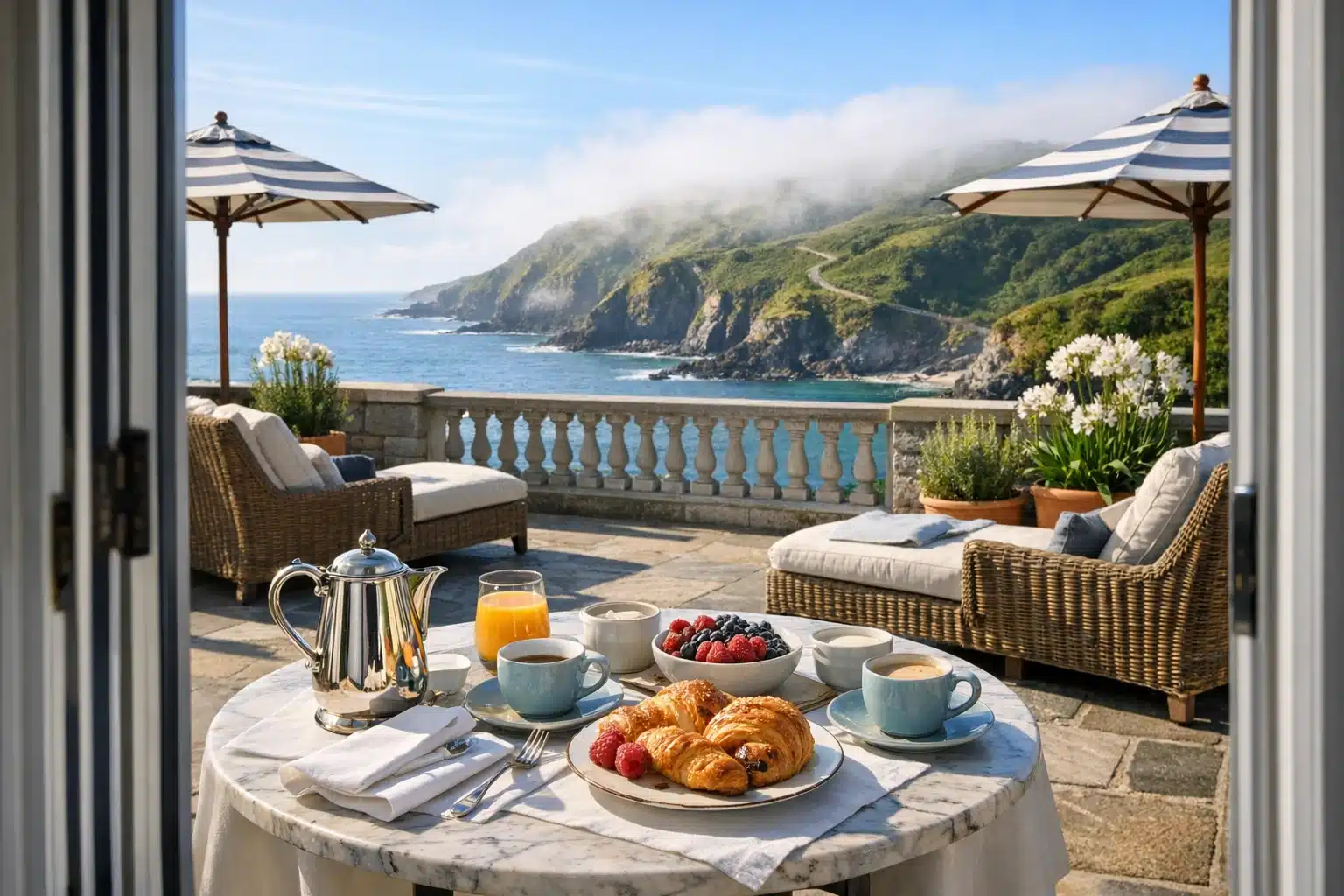
Coastal adult-only properties are often strongest in spring and autumn, when sea views and quieter promenades create the sort of atmosphere families do not necessarily seek. They can range from contemporary cliffside hotels to old seaside houses reworked into stylish retreats. Their appeal lies in scenery, walking routes, seafood-heavy menus, and the simple pleasure of weather-watching from indoors when the horizon turns silver.
Then there are boutique city stays, which attract guests who want calm without complete isolation. These are ideal for theatre nights, restaurant weekends, or cultural breaks in places such as Bath, York, or Edinburgh. They often have smaller room counts, stronger design identity, and less emphasis on leisure facilities.
A useful comparison looks like this:
– Country house retreat: strongest for scenery and quiet, weaker for transport convenience
– Spa hotel: strongest for relaxation infrastructure, weaker if extras are heavily charged
– Coastal stay: strongest for views and off-season atmosphere, weaker in poor weather if indoor facilities are limited
– Boutique city hotel: strongest for dining and culture access, weaker if you want true seclusion
The best choice depends less on the label and more on what kind of silence you want. Some travellers want birdsong and long walks. Others want a treatment room, a good cocktail, and no need to drive anywhere. Britain offers all of these, but rarely in the same package, which is why comparison matters.
How to Choose the Right Property: Amenities, Policy Details, and Real Value
Choosing well starts with a simple question: what is the real purpose of the trip? If the answer is rest, the quality of the room, noise insulation, and spa access may matter more than destination buzz. If the answer is celebration, dining standards, drinks service, and late check-out can carry more weight. If the answer is sightseeing, location and transport links may be worth more than a hydrotherapy circuit you never use. A surprising number of disappointing bookings happen because travellers buy the dream in the photographs instead of matching the property to the actual plan.
Policies are especially important in adult-only accommodation. Look beyond the age threshold and check how the hotel operates day to day. Useful questions include:
– Is the property fully adult-only, or only certain room categories and time slots?
– Is spa access included in the room rate, partially included, or bookable at extra cost?
– Are dinner reservations effectively required because there are few alternatives nearby?
– Is breakfast cooked to order, buffet-based, or limited on weekdays?
– Are robes, parking, treatments, and premium leisure facilities included or charged separately?
Weekend pricing in the UK often rises sharply from Friday afternoon onward, especially in scenic regions or well-known spa destinations. That means a Thursday-to-Saturday stay can cost materially more than a Sunday-to-Tuesday break, even when the room and facilities are identical. Shoulder seasons often provide the best balance of atmosphere and value. Early spring and late autumn can be excellent for adult-only travel because tranquillity becomes part of the destination itself. A moody sea view or misty hillside tends to feel less like bad luck when the whole trip is built around calm rather than constant activity.
Review reading also benefits from a method. Instead of focusing only on average scores, scan for patterns. If several recent guests mention tired bathrooms, slow dinner service, or restricted spa booking times, that is more useful than a single glowing five-star review. Equally, complaints about remoteness are not meaningful if isolation is exactly what you want. Context matters.
Accessibility deserves more attention than it often gets in marketing copy. Older manor houses can involve stairs, uneven pathways, and bathrooms that look elegant but function awkwardly. Guests with mobility needs should confirm lift access, step-free routes, shower style, and distance between rooms and leisure areas before booking.
Finally, weigh total trip cost, not headline room price. A cheaper room can become expensive once parking, dinner, treatments, and taxis are added. A pricier package that includes breakfast, spa access, and flexible cancellation may offer better overall value. The smartest bookings usually come from travellers who price the whole experience rather than the first number they see.
Where Adult-Only Escapes Work Best in the UK: Regional Comparisons
The UK is well suited to adult-only travel because its strongest destinations often trade on atmosphere rather than scale. You are not usually chasing endless sunshine or giant entertainment complexes. You are choosing mood, landscape, architecture, and the rhythm of a place. That makes regional fit especially important.
South West England, especially Cornwall and parts of Devon, is one of the most natural homes for adults-focused stays. Cliff paths, sea-view terraces, and food-led hospitality create a strong sense of occasion even over a short weekend. This region works best for travellers who like scenery to do some of the emotional lifting. In summer it can be expensive and busy, but outside school-holiday peaks it often feels far more spacious. A well-located coastal hotel in October can be more memorable than the same stay in August, simply because the beaches, restaurants, and roads breathe again.
The Lake District and nearby northern rural areas suit guests who want a classic retreat feel. Here the appeal is less about polish alone and more about texture: stone buildings, fells, changing light, and the kind of lounges that invite you to stay put after dinner. Adult-only properties in these regions often appeal to walkers, readers, and couples who want scenery without complicated planning. The trade-off is that weather can define the trip, so a hotel with strong indoor spaces matters more than marketing sometimes admits.
The Cotswolds, Bath, and surrounding parts of southern England often attract a slightly different crowd: travellers seeking easy prettiness, strong dining, and a balance between countryside calm and accessible culture. These areas are particularly good for first-time adult-only bookers because they offer manageable travel times from major cities and a wide range of accommodation styles, from grand spa hotels to compact design-led inns.
Scotland adds another dimension. The Highlands, Perthshire, and some island-facing locations provide a deeper sense of escape, especially for longer stays. Distances are greater, weather is more theatrical, and the landscape has genuine drama. For some guests this is the dream: lochs, dark skies, a fireside drink, and no pressure to do much at all. For others, it may feel too remote for a two-night break.
City-based adult-only stays also deserve space in the conversation. York, Edinburgh, and selected London neighbourhoods can work brilliantly for travellers who want refined rooms and a quiet base close to museums, theatre, or standout restaurants. In these cases, the benefit is not isolation but curation. You step out into energy, then return to somewhere composed. For many busy travellers, that blend is more practical than disappearing into the countryside.
Who Adult-Only Hotels and Resorts in the UK Suit Best: A Final Guide for Booking with Confidence
Adult-only stays in the UK make the most sense for travellers who value atmosphere as much as itinerary. If you are the sort of guest who notices lighting, breakfast pace, background noise, and whether a lounge actually invites you to linger, this category is worth exploring. It is not only for honeymooners or anniversary trips, though those fit naturally. It also works for tired professionals, close friends on a spa break, solo travellers wanting a gentler environment, and parents taking a short pause that does not revolve around timetables, snacks, or soft-play alternatives.
That said, this style of accommodation is not automatically superior to family-friendly travel. It is simply more specific. If you want lively entertainment, extensive activities, large pools with all-day energy, or a destination where children are part of the atmosphere, an adults-focused property may feel too subdued. The right question is not whether adult-only is better. It is whether it matches the kind of recharge you actually need.
As a booking strategy, the strongest approach is simple:
– decide whether you want coast, countryside, spa, or city first
– check the exact age policy rather than assuming all properties operate the same way
– compare what is included in the rate, especially dining and wellness access
– read recent reviews for repeated service patterns
– consider off-peak or midweek dates for better value and a calmer mood
When the fit is right, the benefits can be striking. A short UK break does not need huge distance to feel different. Sometimes the real luxury is not a larger suite or a more elaborate treatment list. It is the hush in the corridor after dinner, the unhurried breakfast, the certainty that the whole property is built around a steadier tempo. In a country where weekends disappear quickly and travel time can eat half a day, that clarity of experience matters.
For couples, the value often lies in uninterrupted time together. For solo guests, it can be the ease of being alone without feeling out of place. For friends, it is the chance to talk properly, eat well, and return home lighter than they left. If that sounds like the kind of break you are after, adult-only hotels and resorts in the UK are less a niche indulgence than a practical answer to modern travel fatigue. Book carefully, match the property to your priorities, and the trip is far more likely to feel restorative rather than merely expensive.