Top 5 Travel Destinations for Solo Female Travelers
Introduction
Traveling alone as a woman can feel like opening a door to a larger, brighter world. The right destination will not erase every uncertainty, but it can make daily logistics smoother, choices clearer, and new experiences easier to enjoy. This article explores five places that regularly attract independent women because they combine safety, comfort, mobility, and memorable scenery. You will begin with a quick outline, then move through detailed comparisons that help match each destination to a different travel style.
Article Outline
• Japan: ideal for structure, efficiency, and culture-rich city travel. • Portugal: a warm, social, and relatively affordable choice in Europe. • Iceland: perfect for dramatic nature, organized excursions, and peace of mind. • New Zealand: a strong fit for adventurous travelers who want friendly local culture. • Singapore: an easy, polished, and highly practical option for a first solo trip. A short conclusion at the end will help you decide which destination suits your budget, pace, and confidence level.
1. Japan: Best for Structure, Safety, and Seamless City Travel
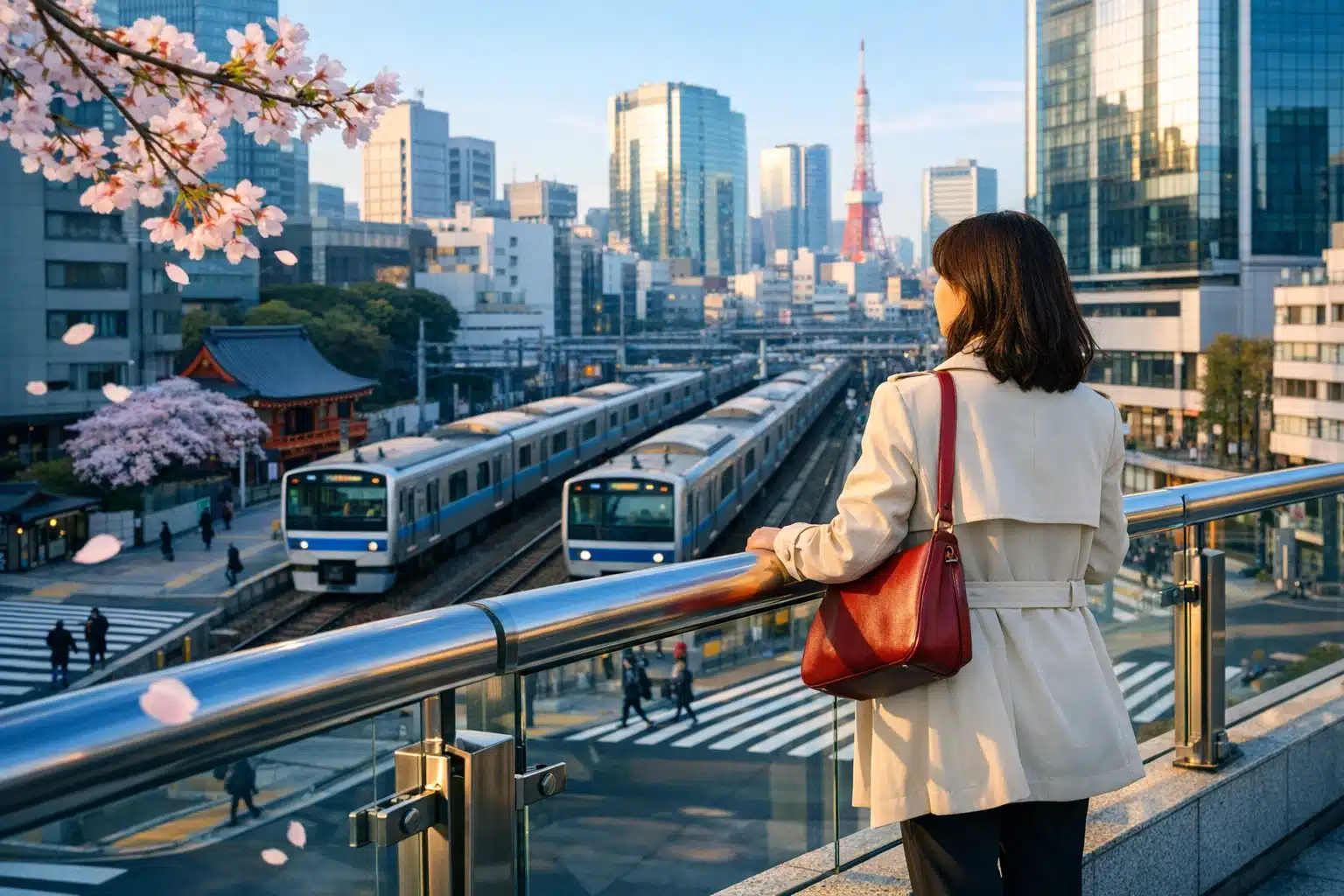
Japan is often one of the first places mentioned in conversations about solo travel for women, and for good reason. It combines a strong sense of public order with excellent transport, clear routines, and a culture that generally respects personal space. For someone traveling alone, that matters more than glossy brochure language ever could. You can step into a busy train station in Tokyo, hear the hum of thousands of moving lives, and still feel that the system itself is quietly helping you get where you need to go.
Tokyo and Kyoto make a particularly strong pairing. Tokyo offers big-city convenience, endless food options, neighborhoods with distinct personalities, and train networks that are among the most efficient in the world. Kyoto, by contrast, slows the pace with temples, gardens, traditional streets, and an atmosphere that suits reflective solo wandering. Compared with destinations built around nightlife or beach clubs, Japan rewards curiosity, observation, and flexible daytime exploration.
Several practical details make Japan especially appealing:
• Public transportation is extensive, punctual, and widely used by locals.
• Convenience stores are clean, reliable, and useful for affordable meals or last-minute essentials.
• Solo dining is common, so eating alone rarely feels awkward.
• Many urban rail systems offer women-only cars during certain hours.
• Streets are generally clean, well lit, and easy to navigate with map apps.
That said, Japan is not perfect for every traveler. Costs can be moderate to high, especially in major cities during peak seasons. English signage has improved greatly, but language gaps still exist, particularly outside major tourist routes. Social spontaneity can also be more limited than in Portugal or New Zealand; people are often polite and helpful, yet not always openly chatty. If your ideal trip involves effortless conversation with strangers every evening, Japan may feel more reserved.
Still, for a first or second solo journey, few destinations offer the same level of confidence-building structure. You can spend the morning at a shrine, the afternoon in a minimalist café, and the evening on a train that arrives almost exactly when promised. That kind of reliability reduces stress, and reduced stress creates room for wonder. Japan is less about traveling loudly and more about traveling well, which is often the smarter luxury.
2. Portugal: Best for Warm Atmosphere, Walkable Cities, and Social Ease
Portugal has become a favorite among independent travelers because it balances charm with practicality. For women traveling alone, it offers a combination that is hard to ignore: a generally welcoming culture, manageable city sizes, coastal beauty, and prices that are often lower than in many other Western European destinations. Lisbon and Porto are the obvious anchors, but smaller places such as Coimbra, Lagos, and Sintra add texture without requiring complicated planning.
One of Portugal’s great strengths is emotional ease. Some destinations impress you, but they also keep you on guard. Portugal tends to feel more relaxed. English is widely spoken in tourist-facing areas, public transit is useful, and hostels, boutique guesthouses, and small hotels often cater well to solo guests. That makes it easier to build a trip that is independent without feeling isolating. Compared with Japan, Portugal is less orderly but more socially fluid. Compared with Iceland, it is usually more budget-friendly for food and daily activities.
Portugal also delivers variety without major internal friction:
• Lisbon offers history, viewpoints, public trams, nightlife, and day-trip options.
• Porto provides a slower rhythm, riverfront scenery, and a strong food and wine culture.
• The Algarve suits travelers who want beaches, cliffs, and sunny weather.
• Trains and buses connect major destinations without much hassle.
• Cafés and communal accommodations make meeting others relatively easy.
There are, however, realistic caveats. Like many popular European cities, Lisbon in particular has issues with pickpocketing in crowded areas. Solo travelers should stay alert on trams, at viewpoints, and in nightlife districts. The famous hills are charming in photos and exhausting with luggage. Summer can also bring crowds that blunt the feeling of discovery. If you prefer solitude and dramatic nature over city energy, Iceland or New Zealand may fit better.
Yet Portugal remains compelling because it feels accessible without feeling bland. You can spend a morning wandering tiled streets, pause for coffee and pastries, then end the day at a miradouro where the city glows amber in the late light. It offers freedom with a soft landing. For a woman taking a solo trip who wants culture, food, ocean air, and a social travel scene without the premium price of some neighboring countries, Portugal is one of the strongest all-around choices.
3. Iceland: Best for Nature, Low Stress, and Small-Scale Independence
Iceland appeals to solo female travelers for a very different reason than Japan or Portugal. It is not primarily about dense urban culture or bustling social scenes. Its draw is spaciousness, simplicity, and a strong sense that nature is the main event. Reykjavik is small, approachable, and easy to navigate, while the rest of the country opens into waterfalls, black-sand beaches, lava fields, glaciers, and geothermal landscapes that look almost unreal. It is the kind of place where silence feels like part of the itinerary.
From a safety perspective, Iceland consistently has a strong reputation. Many travelers value that deeply, especially when exploring alone. Organized tours are common and well run, which helps if you want access to remote highlights without renting a car. Day trips from Reykjavik can take you to the Golden Circle, the South Coast, or geothermal areas with little logistical friction. Compared with New Zealand, Iceland is easier to sample in a short visit. Compared with Portugal, it is less social but often calmer.
Reasons Iceland works well for women on their own include:
• Reykjavik is compact and easy to understand quickly.
• Guided tours make solo exploration straightforward.
• Local tourism infrastructure is designed for independent visitors.
• Nature-focused travel reduces some of the pressures associated with nightlife-heavy destinations.
• People generally speak excellent English, making communication simple.
The main drawback is cost. Iceland is expensive by most standards, from accommodation to dining to transportation. Budget travelers often need to plan carefully, use grocery stores, or book hostels and guesthouses well in advance. Weather is another major factor. Conditions can change quickly, especially outside the capital, and that requires flexibility, good clothing, and respect for safety advice. If you want spontaneous wandering in sun-soaked streets, Portugal is easier. If you want a tightly scheduled urban break, Singapore is more efficient.
Still, Iceland offers something few places can match: the feeling that traveling alone is not a compromise but a perfect format. When you stand near a roaring waterfall or watch steam rise from the earth in cold air, companionship can be lovely, but solitude also fits. The landscape does not ask you to perform. It simply invites attention. For women who want a destination that feels calm, visually extraordinary, and logistically manageable with the help of tours or careful planning, Iceland is a remarkable choice.
4. New Zealand: Best for Adventure, Friendly Energy, and Longer Trips
New Zealand is often described as a dream destination for independent travelers, and much of that reputation is deserved. It suits women who want more than museums and restaurant lists; it suits those who want movement. Think hiking trails, coastal drives, small cities, mountain towns, ferry rides, lakes, and dramatic views that seem to arrive one after another. For solo travelers, the country’s friendly reputation and well-established backpacker culture make it easier to blend independence with occasional companionship.
Wellington and Queenstown are useful symbols of what New Zealand offers. Wellington brings culture, cafés, creative energy, and a compact urban setting. Queenstown, by contrast, is a launchpad for outdoor adventure, from scenic hikes to adrenaline-heavy activities. Elsewhere, places such as Rotorua, Wanaka, Christchurch, and Abel Tasman National Park broaden the experience. Compared with Iceland, New Zealand offers more social infrastructure for longer overland travel. Compared with Japan, it feels less formal and more outdoors-driven.
Its strengths for women traveling alone are practical as well as emotional:
• Hostel networks and group tours make meeting people relatively easy.
• English is the primary language, reducing planning friction.
• Domestic transport options, while imperfect, are designed with travelers in mind.
• Outdoor tourism is well developed, with information centers and marked trails.
• Locals are often perceived as approachable and helpful.
The trade-offs are real. Distances can be larger than many first-time visitors expect, and transport between regions is not always cheap or fast. Renting a car offers freedom but adds cost and responsibility. Accommodation in peak seasons can fill up quickly, especially in popular scenic areas. New Zealand is also not a bargain destination; while it may feel less expensive than Iceland in some cases, it still requires a solid budget if you plan to move around frequently.
What makes New Zealand special is the sense of personal momentum it creates. You do not simply visit it; you travel through it. One day might begin with coffee by the harbor, continue with a forest walk, and end beneath a sky so clean it looks freshly made. For women who enjoy active days, changing landscapes, and a travel culture where other solo people are easy to find, New Zealand offers a rare mix of freedom and reassurance. It is particularly strong for travelers planning two weeks or more and wanting a trip that feels vivid from start to finish.
5. Singapore: Best for First-Time Solo Travelers and Effortless Urban Comfort
Singapore may not always top romanticized travel lists, but it deserves serious attention from women traveling alone, especially for a first solo trip. It is clean, orderly, multilingual, and exceptionally easy to navigate. If Japan gives you complexity with structure, Singapore gives you simplicity with structure. The result is a destination where many travelers can settle in quickly, waste little time on confusing logistics, and focus on enjoying the experience rather than managing it.
This city-state is especially appealing if your priorities include convenience, reliability, and personal comfort. Public transportation is efficient, signage is clear, and neighborhoods such as Chinatown, Kampong Glam, Little India, and Marina Bay are easy to explore independently. Food is another major advantage. Hawker centers offer affordable, varied meals in settings where dining alone feels completely normal. Compared with Iceland or New Zealand, Singapore asks for far less planning. Compared with Portugal, it is more polished and less improvisational.
Several features make Singapore stand out:
• The metro system is extensive, simple to use, and well integrated.
• English is widely spoken, alongside other major languages.
• The city is compact enough for short trips yet varied enough to stay interesting.
• Solo dining, shopping, and sightseeing are common and comfortable.
• It works well as a stopover or a standalone urban getaway.
Of course, Singapore has limitations. Accommodation can be expensive, especially if you want a private room in a central area. The city is also highly regulated, which many visitors appreciate but some find a little too controlled. If you are seeking wild landscapes, deep rural culture, or a loose backpacker vibe, New Zealand or Portugal may be a better fit. Weather can be hot and humid year-round as well, so travelers sensitive to heat should plan accordingly.
Even so, Singapore excels at one crucial thing: reducing friction. That matters tremendously for women who are testing the waters of solo travel or who want a restful, low-drama break between more demanding journeys. You can move from a futuristic garden to a heritage district to a night market-style food hall without much effort, and the city’s systems quietly support you the entire time. It may not be the cheapest option on this list, but it is one of the easiest places to travel alone with confidence, and confidence is often the first destination that truly matters.
Conclusion: Choosing the Right Destination for Your Style
If you are planning a solo trip, the best destination is not simply the safest or the cheapest; it is the one that supports the way you actually like to travel. Choose Japan if you want precision, culture, and easy independent movement through major cities. Pick Portugal if you want warmth, scenery, and a more social rhythm without extreme costs. Go to Iceland for quiet wonder and manageable nature-based travel, New Zealand for adventurous longer journeys, and Singapore for smooth, confidence-building city exploration. The smartest choice is the one that matches your pace, budget, and comfort level, because solo travel feels most rewarding when the destination works with you rather than against you.