Top 10 Caravan Holidays in the UK
Introduction and Article Outline: Why Caravan Holidays Still Matter
Caravan holidays have become one of the smartest ways to explore the UK because they combine mobility, comfort, and control over spending in a single trip. They work just as well for families planning school-break escapes as they do for couples chasing sea air, walkers heading to national parks, or retirees travelling outside peak season. At a time when hotel rates and transport costs can quickly reshape a budget, caravanning stays relevant by opening up affordable access to coast, countryside, and classic resort towns. This article sets out a practical top ten, explains why each location earns its place, and helps you match the right destination to the kind of break you actually want.
Part of the appeal is simple: a caravan holiday lets you settle into one base while keeping a sense of adventure. You can wake to gulls on the Cornish coast, spend an afternoon beside a Welsh estuary, or end the day in a quiet park near a forest trail, all without the rigid routine that often comes with city hotels or tightly scheduled package breaks. For many travellers, that balance of convenience and freedom is the real luxury.
This article follows a clear outline so the destinations are not just listed, but properly compared:
• first, a short explanation of what makes a caravan break worth considering today
• second, the practical factors that separate a good caravan holiday from a disappointing one
• third, the top ten destinations, grouped and compared by region, atmosphere, and suitability
• finally, a conclusion aimed at helping families, couples, and first-time caravan travellers decide where to begin
The ranking is not based on gimmicks or empty superlatives. Instead, it reflects a blend of scenery, access to attractions, range of caravan parks, value for money, weather expectations, and how much variety you can realistically enjoy during a stay. A destination with one excellent beach but little else may be lovely for a weekend, yet less convincing for a full week. By contrast, places that combine strong landscapes, useful local facilities, and activities for different ages tend to reward caravan travellers far more generously.
Another reason this topic matters now is timing. Shoulder-season trips in late spring and early autumn have become increasingly attractive, especially for travellers who want milder weather, smaller crowds, and better prices than peak summer weeks usually offer. Caravan holidays fit that pattern well because many parks stay open beyond the busiest school-holiday period. That means the UK is no longer just a backup plan when foreign travel feels expensive or inconvenient. For a growing number of people, it is the main event, and often a better one.
How to Choose the Right Caravan Holiday in the UK
Before picking a destination, it helps to understand that not every caravan holiday delivers the same experience. Some parks are designed almost like mini resorts, complete with entertainment, play areas, swimming pools, arcades, cafés, and organised activities. Others are quieter, aiming for scenic calm rather than constant movement. One is not inherently better than the other; the right choice depends on who is travelling, how long you are staying, and what sort of days you actually want to have once you arrive.
For families with younger children, location often matters less than on-site convenience. A park with safe open space, a shop, laundry facilities, and easy beach access can make the whole break feel smoother. For couples or solo travellers, however, the wider setting may matter more than the entertainment lineup. A smaller park near walking routes, harbour towns, or wildlife-rich coastlines can feel far more rewarding than a larger, louder site where everything revolves around family programming.
Budget is another decisive factor, and caravan holidays can vary more than newcomers expect. Prices are usually highest in school holidays, especially in coastal hotspots such as Cornwall, Devon, and popular Welsh seaside areas. Midweek stays and shoulder-season dates often offer noticeably better value. Travellers should also look beyond the headline rental rate. Extra costs can include:
• linen or towel hire
• entertainment passes at some holiday parks
• parking limits for additional vehicles
• ferry crossings in island locations
• pet charges and booking fees
Weather also changes the character of a trip. South-west England is often associated with warmer summer conditions, but that does not guarantee uninterrupted sunshine. Coastal holidays are wonderful when the sea breeze is refreshing and the skies are clear; they feel different when Atlantic rain moves in. That is why destinations with a mix of indoor and outdoor options tend to perform better in real life than they do in glossy brochures. A good caravan base should leave you with choices even on the odd grey day.
Accessibility deserves attention too. Some of the best UK caravan destinations are easy to reach by car and have supermarkets, walking paths, family attractions, and medical services nearby. Others are more remote, which can be part of their charm, but it requires planning. Think about road confidence, travel time, and how much driving you want to do after arrival. A stunning area can lose some of its shine if every outing requires a long, winding journey.
Ultimately, the best caravan holiday is not the one with the loudest reputation. It is the one that fits your pace. If you want classic seaside energy, amusement arcades, and big holiday-park facilities, one set of places will stand out. If you want peaceful mornings, scenic drives, and long walks broken by pub lunches or harbour cafés, another set will suit you far better. That is the lens through which the top ten destinations below are ranked and compared.
Top 10 Caravan Holidays, Part One: Cornwall, Devon, Dorset, and Norfolk
1. Newquay, Cornwall, earns its place because it offers one of the strongest all-round caravan holiday experiences in the UK. It has broad appeal: surfers are drawn to the waves, families appreciate the choice of beaches, and day-trippers can fill an itinerary with cliff walks, cafés, and nearby attractions. The town is lively in season, so it suits travellers who want atmosphere rather than isolation. Compared with quieter Cornish villages, Newquay gives you more dining, shopping, and activity options, which is especially useful if the weather turns mixed.
2. Woolacombe, Devon, is a standout for travellers who want a beach-led break with a slightly calmer mood than parts of Cornwall. Its long sandy beach is the obvious draw, but the wider area also gives access to coastal walking and scenic drives through North Devon. Woolacombe works especially well for families because beach time is simple, memorable, and central to the holiday. Compared with Newquay, it generally feels less urban and less crowded in tone, though peak dates still bring strong demand.
3. The Jurassic Coast in Dorset offers a different kind of caravan holiday, one built around landscape and exploration. Towns and villages such as Weymouth, Bridport, and areas near Swanage place you close to dramatic cliffs, fossil-rich beaches, and classic south-coast scenery. This is an ideal choice for travellers who enjoy mixing seaside relaxation with walking, history, and day trips. Dorset often feels gentler and more traditional than some louder resort areas, making it particularly attractive to couples, multigenerational groups, and anyone who wants a slower rhythm.
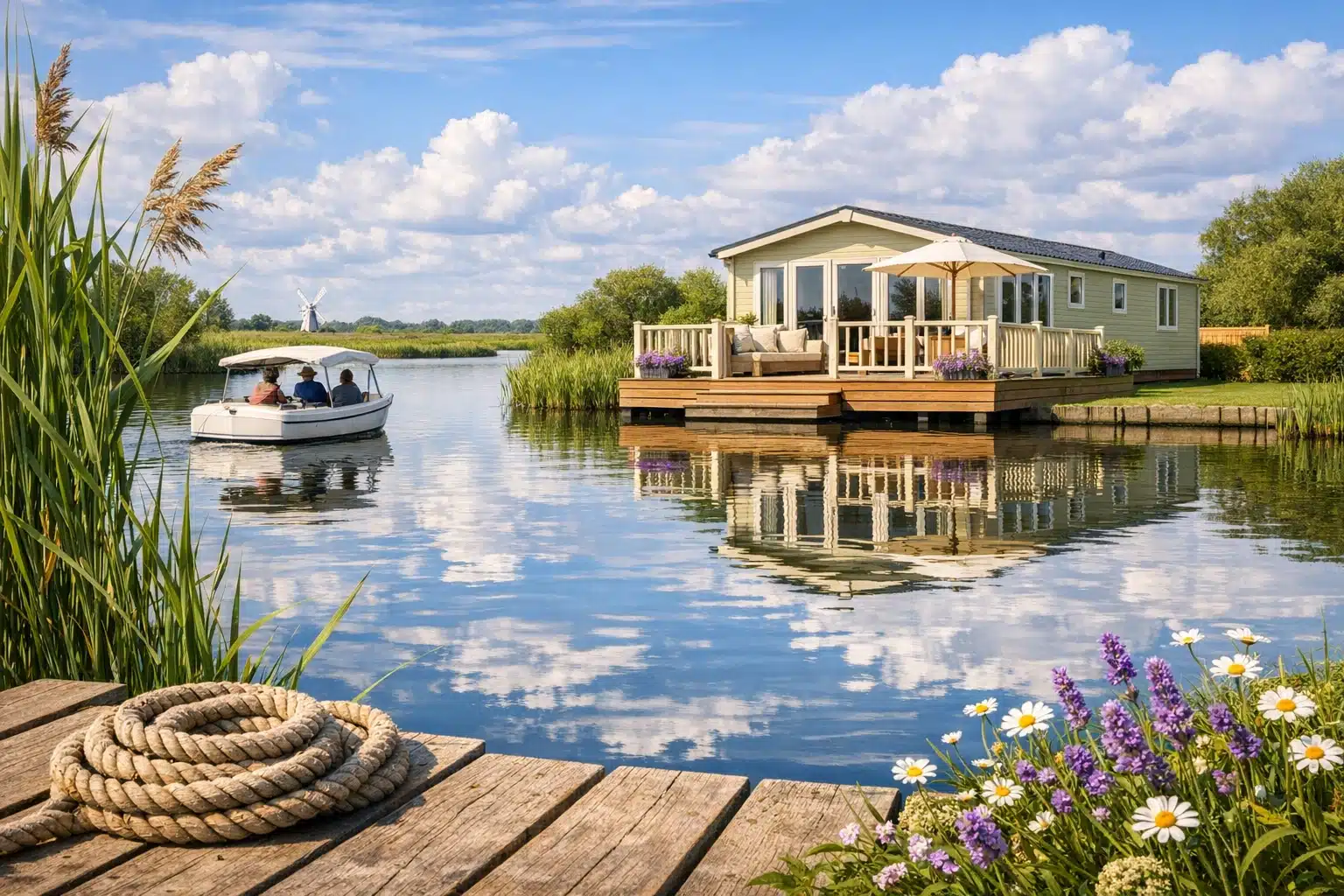
4. The Norfolk Broads and nearby north Norfolk coast deserve a place in the top tier because they bring together water, wildlife, and unusual tranquility. This is not the pick for people who need constant entertainment, but it is excellent for readers who want boating excursions, birdwatching, market towns, and long skies that seem to stretch forever. Caravan parks in this region can feel more spacious and less frantic than their south-west counterparts. Compared with Cornwall or Devon, Norfolk trades dramatic surf for a calmer, more contemplative kind of holiday.
These four destinations already show how varied UK caravanning can be. Cornwall is energetic and iconic. Devon balances beach appeal with a slightly softer pace. Dorset offers geological drama and family-friendly coastal charm. Norfolk is quieter, greener, and more reflective. If your ideal break involves a bucket and spade, fish and chips, and busy summer evenings, Newquay and Woolacombe are stronger bets. If you prefer nature reserves, harbours, gentle walks, and less noise after dark, Dorset and Norfolk may suit you better.
The practical takeaway is this: the first part of the top ten is less about which place is universally best and more about which place matches your holiday identity. The UK caravan market is broad enough to reward different tastes, and these four locations prove it beautifully.
Top 10 Caravan Holidays, Part Two: Snowdonia, Pembrokeshire, the Lake District, and the Yorkshire Coast
5. Snowdonia, now often referred to by its Welsh name Eryri, is one of the most compelling caravan holiday choices for travellers who want mountains, lakes, and a sense of grandeur that feels larger than the road map suggests. This is the destination for people who like to spend days outdoors and evenings returning to a warm base rather than a city centre. Caravan parks in the wider region can place you close to hiking trails, scenic railways, and villages with a distinctly local character. Compared with pure seaside breaks, Snowdonia demands a little more planning, yet it rewards that effort with unforgettable views and a stronger feeling of escape.
6. Pembrokeshire offers a superb Welsh coastal alternative, especially for visitors who want dramatic sea cliffs, beaches with personality, and a pace that can still feel peaceful even in popular months. It is one of the most balanced caravan holiday regions in Britain because it can suit active travellers, families, and couples at the same time. The Pembrokeshire Coast National Park gives the area lasting appeal, while towns and villages provide enough services to keep a week practical and comfortable. Compared with Cornwall, Pembrokeshire often feels a touch less commercial, though it delivers scenery of equally high quality.
7. The Lake District has long been one of the UK’s most admired landscapes, and it translates remarkably well into caravan travel. A caravan base around Windermere, Keswick, or the southern lakes can give you access to walking routes, boat trips, historic houses, and market towns. This is a destination where weather matters, but mood matters too. Mist over the fells can make the place feel almost novelistic, as if the scenery has leaned in to whisper rather than shout. Compared with beach-focused caravan breaks, the Lake District is better for ramblers, photographers, and travellers who enjoy scenery as the main event rather than background decoration.
8. The Yorkshire Coast, especially areas near Filey, Whitby, and Scarborough, deserves its position because it provides strong value, classic seaside culture, and a broad choice of activities. It suits families especially well, but it also has enough history and landscape to keep adults engaged beyond the amusement arcades. Whitby brings character, Filey offers a more relaxed base, and Scarborough delivers a traditional resort feel. Compared with some southern destinations, the Yorkshire Coast can be more affordable while still offering memorable beaches, coastal paths, and easy day trips inland to the North York Moors.
Together, these four destinations form the heart of the top ten for travellers who want either memorable scenery or dependable variety. Snowdonia and the Lake District are stronger for walkers and nature lovers. Pembrokeshire and the Yorkshire Coast are excellent if you want coastal experiences with room for both adventure and downtime. The differences matter. A mountain holiday can feel restorative in one way; a harbour town with an ice cream queue and a windy promenade restores you in another. Caravan travel lets you choose the version of rest that feels right.
Top 10 Caravan Holidays, Part Three: Northumberland, the Isle of Wight, and a Conclusion for UK Travellers
9. Northumberland is often praised by travellers who want space, history, and coastal scenery without the intensity of the busiest UK resort areas. That reputation is deserved. A caravan holiday here can include castle visits, broad beaches, quiet village stops, and access to one of the least hurried stretches of coastline in England. It works particularly well for couples, walkers, and families who prefer simple pleasures over constant entertainment. Compared with the Yorkshire Coast, Northumberland is usually quieter and more spread out. Compared with Cornwall, it trades headline buzz for atmosphere, heritage, and room to breathe.
10. The Isle of Wight rounds out the list because it offers a proper sense of getaway while remaining firmly within the UK holiday tradition. The ferry crossing adds planning and cost, but it also changes the psychology of the trip. Once you arrive, the island feels self-contained in a way many mainland destinations do not. Caravan travellers get access to sandy beaches, coastal walks, family attractions, and postcard-friendly towns within relatively short driving distances. It is especially useful for mixed-age groups because you can blend beach days, gentle exploring, and low-stress travel once you are on the island.
With all ten destinations considered, several useful comparisons come into focus:
• best for lively beach energy: Newquay and parts of the Yorkshire Coast
• best for scenery-led walking holidays: Snowdonia and the Lake District
• best for quieter coastal atmosphere: Northumberland and Norfolk
• best for a balanced family week: Devon, Dorset, Pembrokeshire, and the Isle of Wight
So which caravan holiday should different readers choose? Families with children often get the smoothest mix of convenience and entertainment in Devon, Dorset, Yorkshire, or the Isle of Wight, where beach access and visitor facilities are usually easy to build a week around. Couples may prefer the Lake District, Northumberland, or Pembrokeshire, where scenery and slower routines shape the days more naturally. First-time caravan bookers who want broad appeal and plenty of fallback options often do well in Newquay or around the Dorset coast, because there is enough going on to keep the trip flexible.
The most important thing is not to chase somebody else’s perfect holiday. The best caravan break is the one that fits your budget, your energy level, and your idea of a good morning view. Some travellers want crashing waves and busy evenings. Others want a kettle on, muddy boots by the door, and a horizon that stays quiet. The UK is rich enough to offer both. That is why caravan holidays remain relevant, practical, and genuinely enjoyable: they turn the journey into part of the holiday while still giving you somewhere familiar to return to at the end of the day.


